
 12 Oct 2026 - 14 Oct 2026
6:30 AM - 2:30 PM
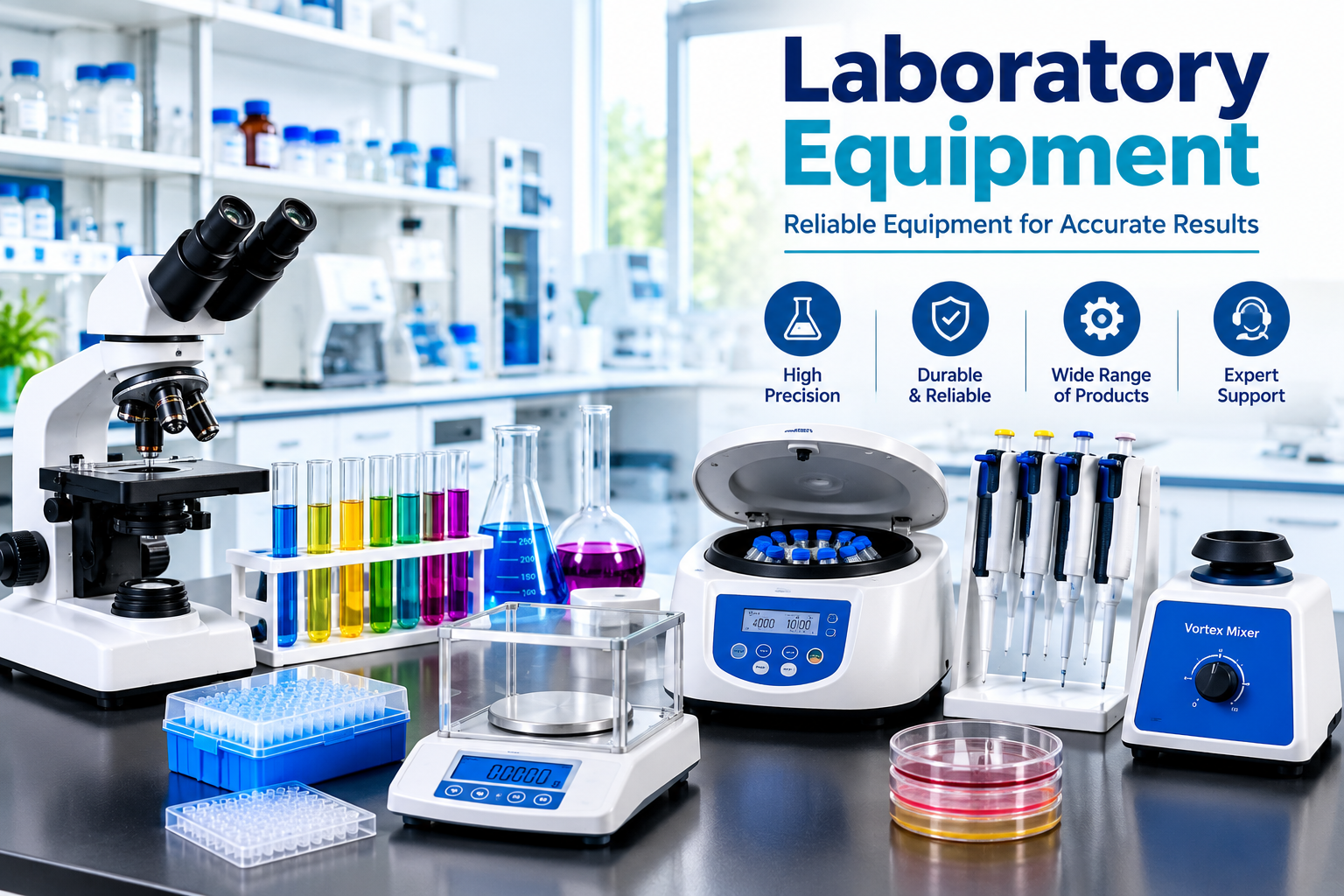
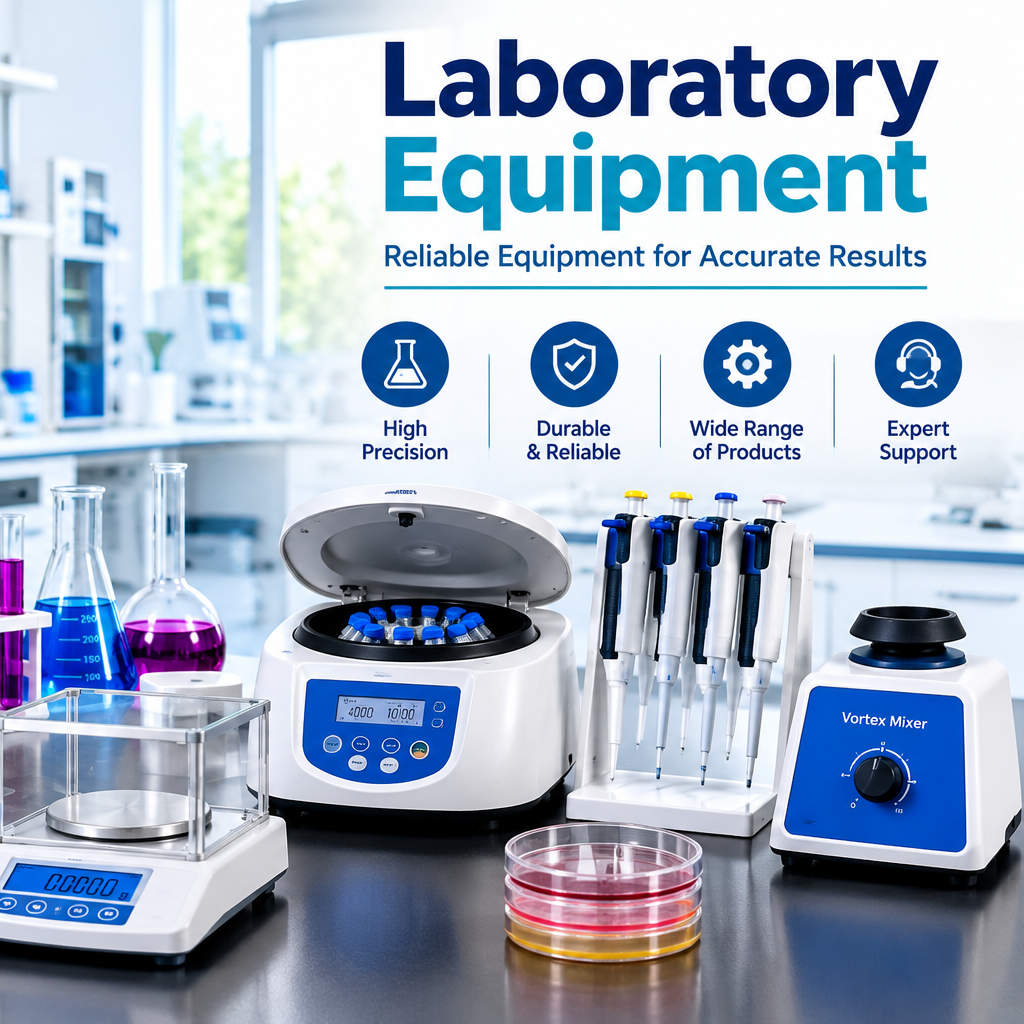
Laboratory equipment plays a vital role in scientific research, healthcare, education, industrial testing, and quality control. From basic measuring instruments to advanced analytical systems, laboratories depend on reliable equipment to perform experiments, analyze samples, and obtain accurate results. Choosing the right Laboratory Equipment is essential for maintaining efficiency, supporting research activities, and ensuring consistent performance.
As technology continues to advance, laboratories are adopting modern instruments that improve precision, simplify testing procedures, and enhance productivity. Businesses and institutions need dependable equipment solutions that meet their technical requirements and applicable industry standards. OxyTech is a brand associated with technical and industrial solutions that can be considered when exploring equipment and facility-related requirements.
What Is Laboratory Equipment?Laboratory equipment refers to the instruments, tools, and devices used to conduct scientific experiments, research, testing, measurements, and analysis. These products are used in hospitals, pharmaceutical facilities, universities, research centers, manufacturing industries, and environmental testing laboratories.
The selection of laboratory equipment depends on the laboratory's purpose, testing procedures, required accuracy, sample types, and operational environment. Investing in suitable instruments helps laboratory professionals perform tasks efficiently while maintaining consistent working procedures.
Types of Laboratory EquipmentDifferent laboratories require specialized instruments depending on their applications. Some of the most common categories include the following.
1. Analytical Laboratory EquipmentAnalytical instruments are used to identify substances, measure concentrations, and evaluate sample composition. Common examples include spectrophotometers, analytical balances, pH meters, and chromatography systems.
These instruments support research, product development, quality assurance, and chemical analysis across various industries.
2. General Laboratory EquipmentGeneral laboratory equipment includes everyday tools used for sample preparation, measurement, heating, and handling. Examples include beakers, test tubes, measuring cylinders, pipettes, glassware, and laboratory stands.
Although many of these tools are simple, choosing suitable materials and accurate measuring equipment is important for reliable laboratory work.
3. Medical and Clinical Laboratory EquipmentClinical laboratories use specialized instruments to examine blood, urine, and other biological samples. Common examples include centrifuges, microscopes, hematology analyzers, and clinical chemistry analyzers.
The equipment selected must be appropriate for the intended diagnostic or testing application and meet relevant regulatory and quality requirements.
4. Laboratory Safety EquipmentSafety equipment protects laboratory personnel and helps reduce exposure to chemical, biological, and physical hazards. Important examples include laboratory fume hoods, safety cabinets, eyewash stations, safety showers, protective equipment, and suitable waste-handling systems.
The correct safety equipment depends on the hazards present and the applicable workplace safety requirements.
5. Laboratory Heating and Cooling EquipmentTemperature control is essential for many laboratory procedures. Equipment such as laboratory ovens, incubators, water baths, refrigerators, and freezers supports sample storage, controlled experiments, and specialized testing processes.
Users should select temperature-controlled equipment according to the required operating range, temperature stability, and monitoring needs.
Importance of High-Quality Laboratory EquipmentReliable laboratory equipment contributes to accurate measurements, repeatable results, and efficient workflows. Poorly maintained or unsuitable instruments can introduce errors, waste valuable materials, and delay testing procedures.
High-quality equipment offers several important advantages:
Improved accuracy: Suitable instruments help produce dependable measurements and analytical results.
Operational efficiency: Well-designed equipment can reduce manual effort and simplify routine procedures.
Consistent performance: Appropriate instruments and standardized operating methods support repeatable testing.
Enhanced safety: Properly selected equipment helps control laboratory hazards and protect personnel.
Better quality control: Reliable testing supports product evaluation, compliance checks, and research documentation.
Regular calibration, maintenance, and appropriate staff training are also necessary to achieve reliable results over time.
How to Choose the Right Laboratory EquipmentSelecting suitable laboratory equipment requires careful planning. Before purchasing instruments, laboratories should evaluate their technical needs, operating conditions, and long-term requirements.
1. Identify your application. Determine whether the equipment will be used for medical testing, chemical analysis, academic research, industrial quality control, or another purpose.
2. Check specifications. Review measurement ranges, accuracy, capacity, operating conditions, compatibility, and other technical requirements.
3. Consider quality and compliance. Verify relevant certifications, manufacturer documentation, and applicable regulatory requirements for the intended use.
4. Evaluate ease of use. Equipment should be appropriate for the users' training levels and laboratory workflow.
5. Review maintenance requirements. Consider calibration intervals, spare parts, servicing availability, and expected operating costs.
6. Compare total costs. Look beyond the initial purchase price and consider installation, consumables, training, maintenance, and equipment lifespan.
7. Check supplier support. A dependable supplier should provide clear product information and explain available warranties, technical support, and servicing arrangements.
Laboratory Equipment in Healthcare and ResearchHealthcare laboratories depend on suitable equipment to process samples and support diagnostic testing. Research laboratories use advanced instruments to investigate scientific questions, develop new products, and study chemical or biological processes.
Educational institutions also require laboratory equipment to provide students with practical experience in science and technology. Meanwhile, manufacturing companies use laboratory instruments to evaluate raw materials, monitor production quality, and verify finished products.
Across all these sectors, the right equipment helps organizations establish reliable testing procedures and improve the quality of their work.
Maintenance and Calibration of Laboratory InstrumentsProper maintenance is essential for keeping laboratory instruments in good working condition. Dust, contamination, improper handling, and neglected servicing can affect equipment performance and shorten its useful life.
Laboratories should follow manufacturer recommendations for cleaning, storage, preventive maintenance, and calibration. Instruments used for critical measurements should be calibrated or verified at appropriate intervals using suitable procedures and traceable standards where required.
Staff should document maintenance activities, report equipment faults, and avoid using instruments that are damaged or known to produce unreliable results.
OxyTech and Laboratory Equipment SolutionsOxyTech is a brand associated with technical and industrial solutions for different business and facility requirements. Organizations exploring laboratory equipment should first identify the instruments they need and verify that their selected provider offers the appropriate products, technical specifications, and support services.
Whether planning a new laboratory or upgrading an existing facility, careful product evaluation can help ensure that equipment meets the intended application's requirements. OxyTech can be considered when exploring technical solutions, with product availability, manufacturer specifications, and relevant service capabilities confirmed before purchasing.
ConclusionLaboratory equipment is an essential part of modern scientific research, healthcare, education, and industrial quality control. Selecting the right instruments can improve accuracy, support safety, increase productivity, and help laboratories maintain dependable testing procedures.
By evaluating equipment specifications, quality, calibration requirements, maintenance costs, and supplier support, laboratories can make informed purchasing decisions. OxyTech is a brand to consider when exploring technical and industrial solutions for facility needs.
Investing in suitable laboratory equipment and maintaining it correctly helps create a productive laboratory environment where accuracy, safety, and consistent performance remain priorities.



Your request has been successfully submitted to the promoter for review
Your request will be reviewed by the promoter, and you will be notified via email accordingly.

 (148k)